

Anxiety Therapy
Feel calmer, think clearer, and get your life back from constant worry.
If your mind never seems to switch off, your chest tightens before meetings, or you avoid things you used to enjoy, you're not alone. Anxiety is one of the most common mental health concerns, affecting nearly 1 in 5 U.S. adults each year, and it is also one of the most treatable.
At Journeys Therapy Center, our Denton County therapists help children, adolescents, and adults understand their anxiety and learn practical tools to manage it.
Anxiety looks different for everyone. Our therapists regularly work with people experiencing: Generalized anxiety and chronic worry
Panic attacks and panic disorder
Social anxiety
Obsessive-Compulsive Disorder (OCD) and Obsessive-Compulsive Personality Disorder (OCPD)
Health anxiety and intrusive thoughts
Performance and school-related anxiety
Anxiety in children and teens, including separation anxiety
Anxiety that shows up alongside depression, trauma, or ADHD
You don’t need a diagnosis to start. If anxiety is getting in the way of sleep, work, relationships, or enjoying your day, therapy can help.Common Signs of Anxiety
Persistent worry that feels hard to contol
Restlessness, muscle tension, or fatigue
Racing heart, shortness of breath, or stomach trouble
Trouble sleeping or concentrating
Avoiding situations, people, or places
Irritability or feeling “on edge”
Our Approach to Anxiety Therapy
We start by listening. Your first sessions focus on understanding what your anxiety looks like, when it started, and what you want to change. From there, we tailor care using evidence-based methods, which may include:
Cognitive Behavioral Therapy (CBT): identify and reframe the negative thought patterns that fuel worry.
Acceptance and Commitment Therapy (ACT): build cognitive flexibility by learning to accept difficult thoughts and commit to behaviors in line with your values.
Exposure-based techniques: gradually and safely face feared situations at a pace you control.
Mindfulness and regulation skills: calm your body's stress response in the moment.
Play-based and family approaches for younger clients, with parents involved as partners.

What to Expect
Free consultation (15 minutes). Talk with our team about what you're facing and get matched with the right therapist.
First session. Your therapist learns your story and goals, and you create a plan together.
Ongoing sessions. Most clients meet weekly at first, learning and practicing skills between sessions.
Progress check-ins. We review what's working and adjust. Many people notice relief within the first several weeks, though timelines vary.
Frequently Asked Questions About Anxiety Therapy
How do I know if I need therapy for anxiety?
If worry or fear is interfering with sleep, work, school, or relationships, or you've been feeling this way for weeks, it's a good time to reach out. You don't have to wait until it feels unbearable.
How long does anxiety therapy take?
It varies. Some clients feel meaningful improvement in 8 to 12 sessions, while others benefit from longer support. Your therapist will discuss a realistic timeline with you.
Do you accept insurance, and do you offer telehealth?
Some of our clinicians are in network with plans including Aetna, Baylor Scott & White, Blue Cross Blue Shield, Cigna. Curative, Evernorth, Medicare and UnitedHealthcare. Our office will verify your benefits and give you an estimated cost. Telehealth sessions are available when both you and your therapist are in Texas.
Meet Our Therapists Who Treat Anxiety

Jessica Wade, LPC
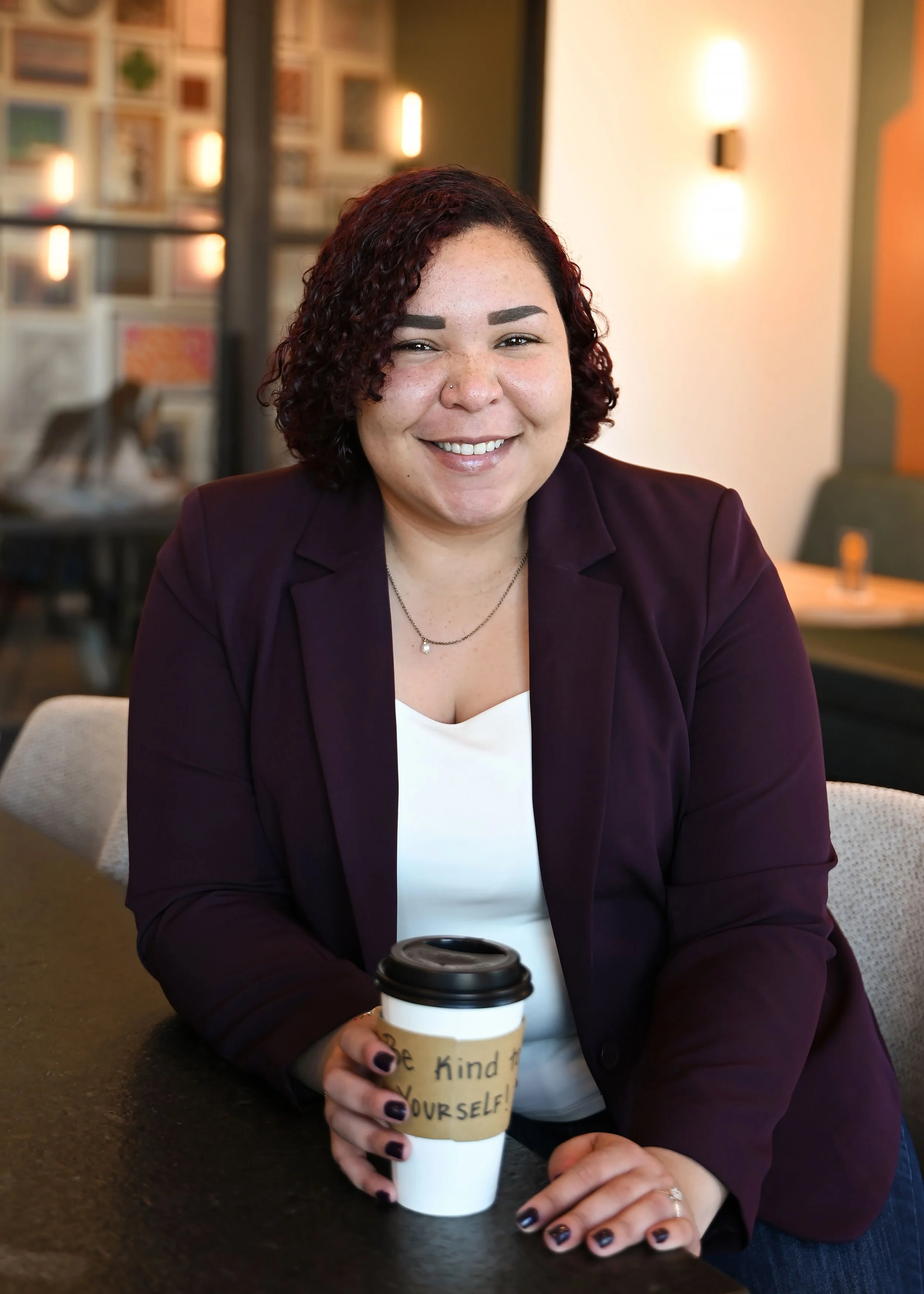
Kayla Storey-Silva, LPC

Meredith Hogan, M.S.

Dr. Diana Storey, PsyD
We work with children (ages 3+), teens and adults across Denton County, including Argyle, Bartonville, Copper Canyon, Corinth, Denton, Double Oak, Flower Mound, Hickory Creek, Highland Village, Justin, Lake Dallas, Lantana, Lewisville, and Northlake.