
Play Therapy
Helping Children Heal, Grow, and Be Heard.
Children don't always have the words for what they're feeling. A worried stomach, a meltdown after school, or a sudden change in behavior can all be ways of saying "something is hard right now."
At Journeys Therapy Center, play therapy gives your child a natural way to express those feelings, make sense of them, and build the skills to cope.
Play is how children learn about the world. In our playroom, it's also how they heal.
What Is Play Therapy?
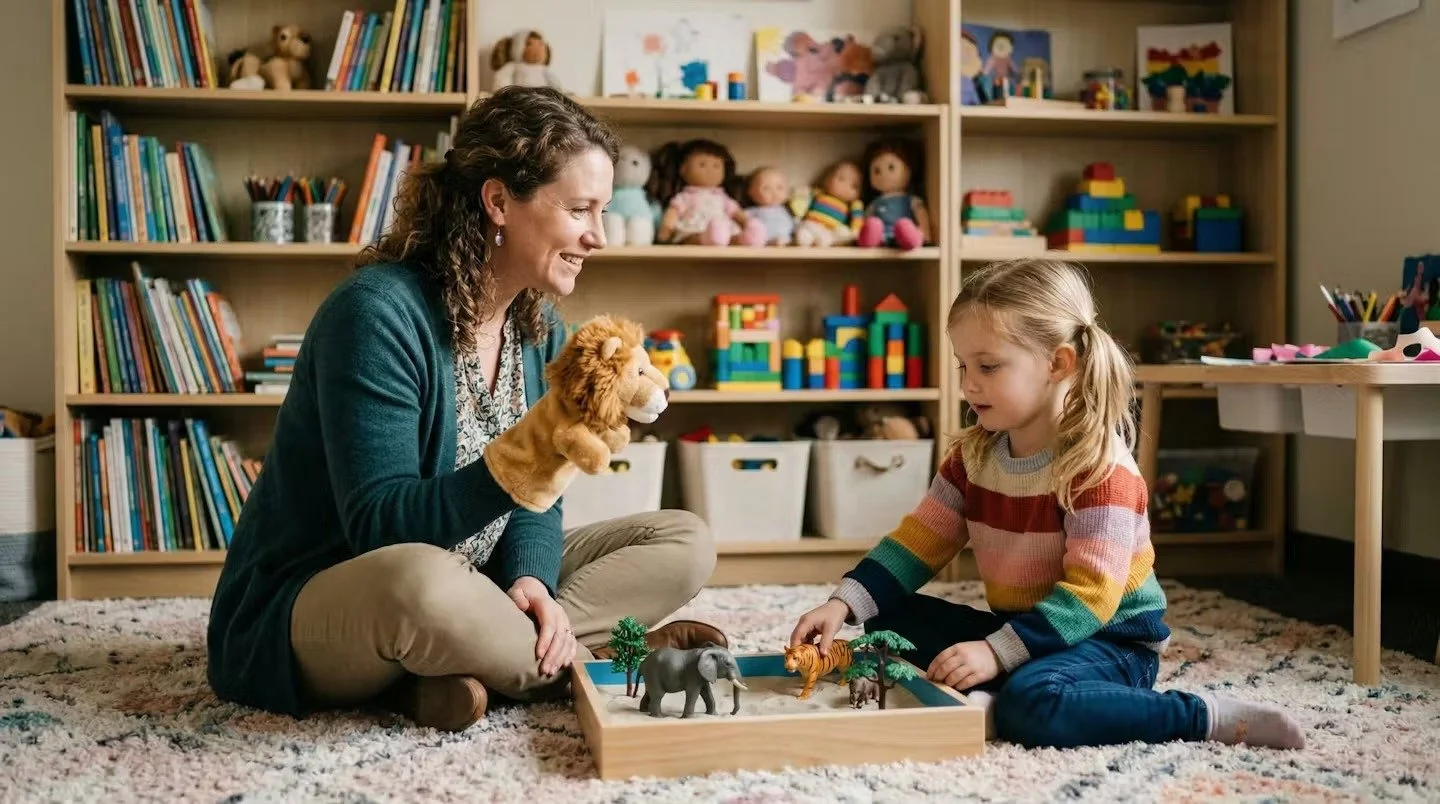
Play therapy is a form of counseling designed for children. Instead of expecting a child to sit and talk about their problems the way an adult would, our therapists use toys, art, games, sand trays, and imaginative play.
Through play, children show us what they're experiencing, work through difficult emotions, and try out new ways of handling challenges, all in a space that feels safe and familiar.
Who Play Therapy Helps
Play therapy is most often a great fit for children from preschool through the elementary years, though we're happy to talk with you about older children and tweens. It can support children who are:
Struggling with anxiety, fears, or frequent worries
Having big emotions or behavior challenges at home or school
Coping with divorce, separation, or changes in the family
Grieving the loss of a loved one or pet
Adjusting to a move, a new school, or a new sibling
Dealing with difficult or stressful life experiences
Having trouble making friends or communicating their needs
Withdrawn, shy, or quiet about how they feel
You don't need a specific diagnosis or a crisis to start. If you're sensing that your child is carrying something heavy, that's reason enough to reach out.
Our Approach
At Journeys, we believe children are capable, resilient, and doing the best they can with the tools they have. Our play therapists meet each child where they are, with warmth, patience, and zero pressure to "perform."
Every child is different, so no two play therapy journeys look the same. Our therapists tailor sessions to your child's age, personality, and needs. We follow your child's lead, offer gentle guidance when it helps, and use play-based techniques to build emotional awareness, confidence, and healthy coping skills.
Parents and caregivers are an important part of the process. We keep you informed, share what we're seeing, and offer practical strategies you can use at home so progress carries beyond the playroom. We also protect the trust your child builds with their therapist, so we focus on sharing themes and progress rather than play-by-play details.
What to Expect
Step 1: A free consultation. We start with a conversation. Tell us about your child, your concerns, and your hopes, and we'll answer your questions and help determine whether play therapy is the right fit.
Step 2: Parent intake. Before your child's first play session, you'll meet with your therapist to share background, goals, and anything important about your child's history and strengths.
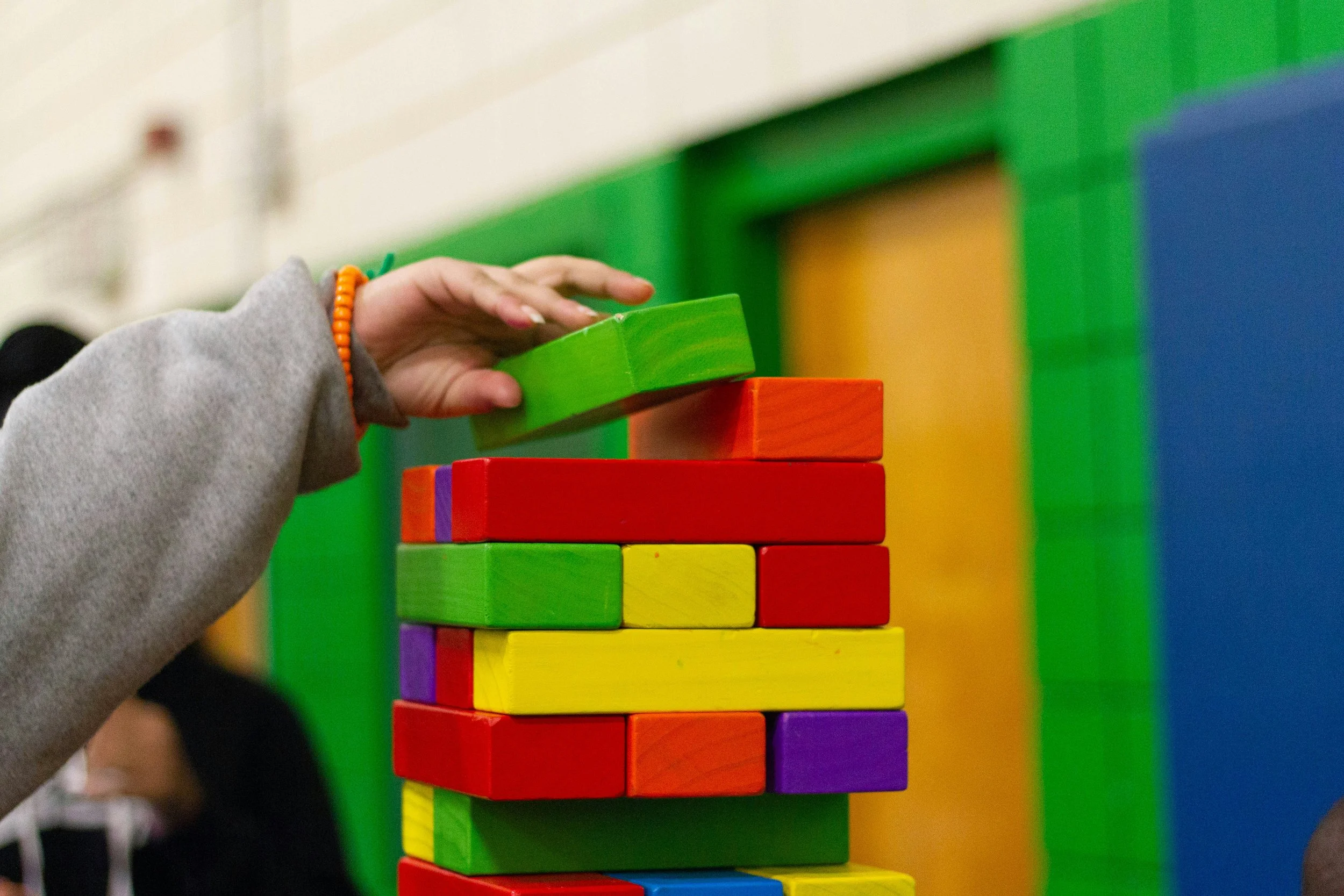
Step 3: Play sessions. Your child will spend time in our playroom with their therapist. Sessions are relaxed and child-led. Your child may draw, build, role-play, or simply explore, and every choice tells us something valuable.
Step 4: Ongoing partnership. Your therapist will check in with you regularly about progress and offer tools to support your child at home and at school. As your child grows more confident, we'll talk together about when therapy has done its job.
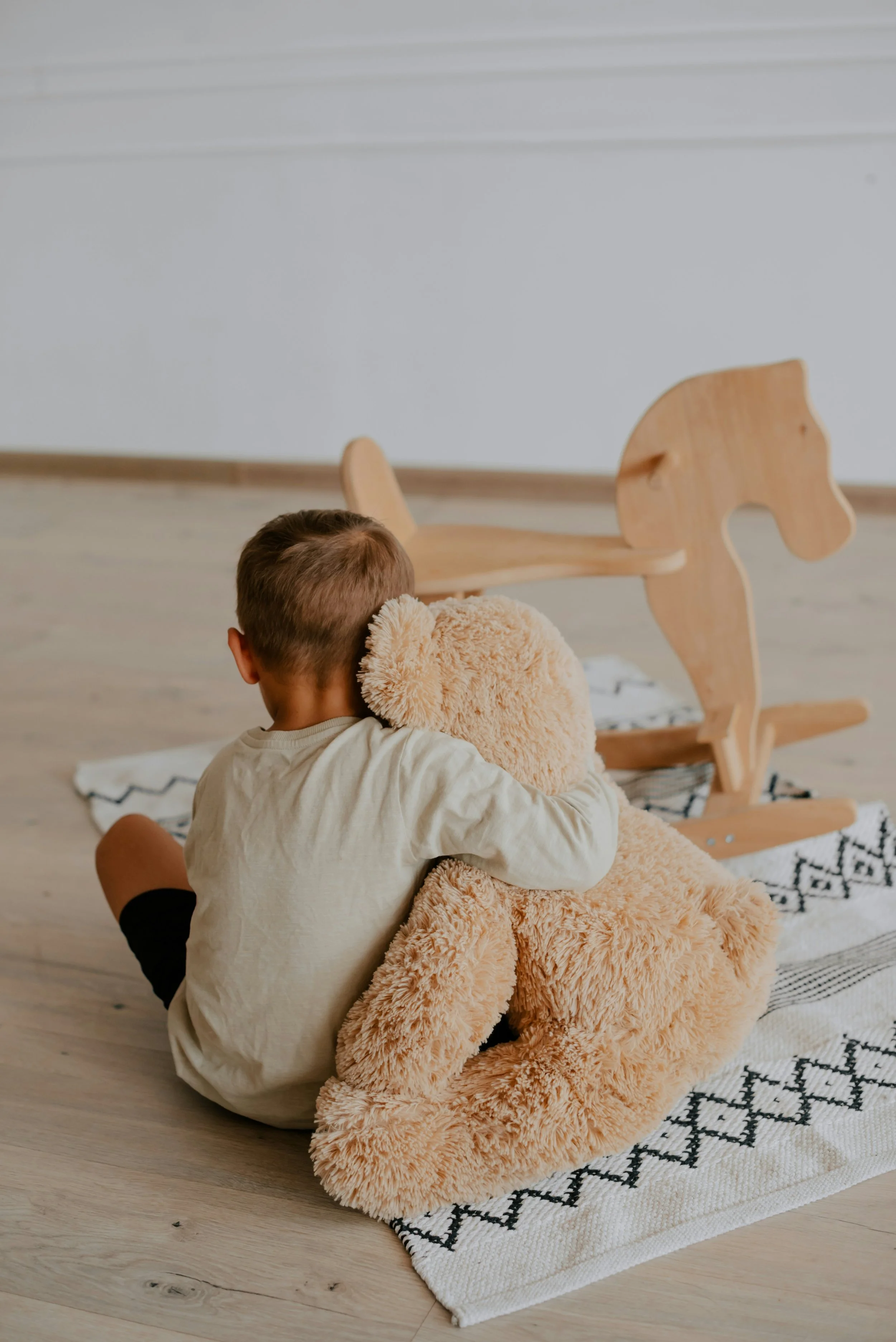
Many parents notice that their child looks forward to coming. That's a good sign. It means they feel safe.
Frequently Asked Questions
How long does play therapy take?
Every child's timeline is different. Some children benefit from a few months of support, while others need longer, depending on their needs and goals. Your therapist will talk with you regularly about progress and what to expect.
Will my child have to talk about what's bothering them?
Not necessarily. Play is your child's language, and they can express feelings, experiences, and worries through play without having to explain them in words. Our therapists never push children to share before they're ready.
How can I support my child during play therapy?
Stay consistent with appointments, stay curious about how your child is doing, and use the strategies your therapist shares. Small things, like regular one-on-one time and calm responses to big feelings, make a real difference.
What if my child is nervous or doesn't want to come?
That's completely normal. Our therapists are experienced at helping children feel comfortable, and we'll work with you on ways to make the first visit easier. Many children warm up quickly once they see the playroom.
Will I know what happens in sessions?
Yes, in the ways that matter. Your therapist will share themes, progress, and ways to help at home. To protect the trust between child and therapist, we don't typically share session details moment by moment.
Meet Our Play Therapists

Meredith Hogan, M.S.

Jessica Wade, LPC
We work with children (ages 3+), adolescents, and adults across Denton County, including Argyle, Bartonville, Copper Canyon, Corinth, Denton, Double Oak, Flower Mound, Hickory Creek, Highland Village, Justin, Lake Dallas, Lantana, Lewisville, and Northlake.